







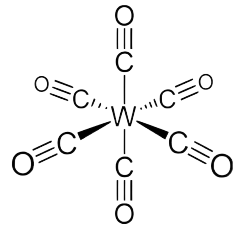
- 1. The deposition of tungsten carbonyl by atomic layer deposition solves the problem of corrosion of substrates and equipment and can be used in the maintenance of liquid crystal, OLED displays and other information displays.
- 2. The use of HCV as a catalyst.
- 3. Medicine, biomedicine (radiation implants, catheters, ECG systems, surgical gloves)
- 4. In the field of thin film deposition: when using tungsten hexacarbyl and ammonia as a precursor , an atomic layer is deposited to successfully grow a tungsten nitride film. (used as a stable anode material for lithium-ion batteries);
- 5. The field of application in petrochemistry: HCV and aniline products make it possible to synthesize oil-soluble hydrogenation catalysts, which make it possible to achieve a higher degree of conversion during hydrogenation during the processing of low-quality heavy oil and fuel oil and minimize the rate of coke formation.
- 1. Medicine
- 2. Atomic industry
- 3. Electronics
- 4. Microelectronics
- 5. Chemical industry
- 6. Aerospace industry
- 7. Petrochemical industry
- 8. Chemical industry
- 9. Manufacturing of EMP protection
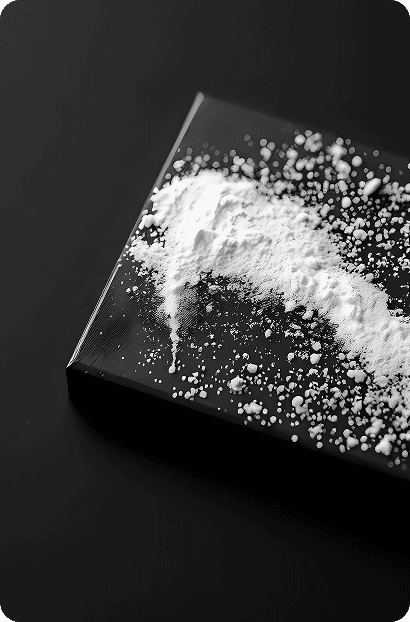
- Mass fraction of non-volatile substances: 75-85%
- Film appearance: transparent, colorless, glossy, free of dust, smudges and mechanical inclusions Drying time, in hours: no more than 5 hours
- Relative hardness of the film in units of measurement: not less than 0.6
- Film temperature resistance at 200°C in hours: at least 10 hours
- Nitrogen mass fraction: not less than 20%
A hardener in the production of enamels, it can be used as a binder, as a component of thin-layer multifunctional coatings , improves all mechanical and thermal characteristics of materials.
- As an additive in the manufacture of ceramic coatings.
- It can be used as a hardener for siloxane polymers
- Retains all its properties up to temperatures of -250, as part of multicomponent coatings - up to 350


- Density: 0.38 g/cm³
- Tungsten content: 35 ± 2%
- Melting point of tungsten: 3400 °C
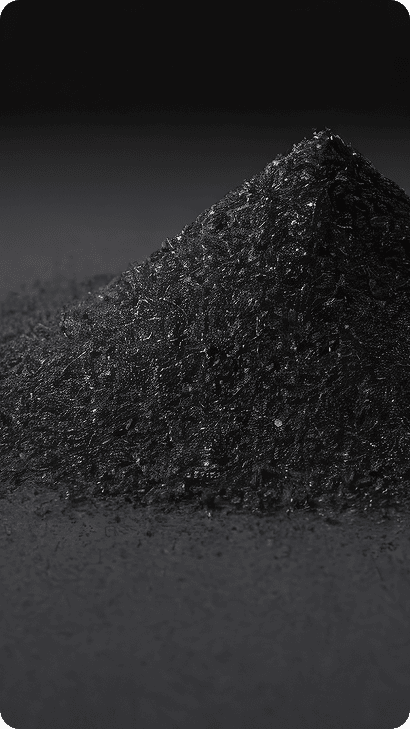
- Hollow glass microspheres of less than 10 microns in size, coated on the surface with tungsten, are a fine gray powder
- It is applied in the form of thin-layer heat-resistant coatings, the operating temperature of which is limited due to the use of basic components such as low-molecular-weight rubber
- Due to hollow spheres of microglass, it has thermal insulation properties, and due to a thin-layer coating of tungsten, it is protected from electromagnetic, X-ray, and laser radiation
Used for thin-layer coatings as a carrier to introduce tungsten into the required environment. Manufacture of thermal protection, radiation protection. Aerospace industry, defense industry, nuclear industry.
- Production of thermal protection and radiation protection products
- Aerospace industry, defense industry, nuclear industry.
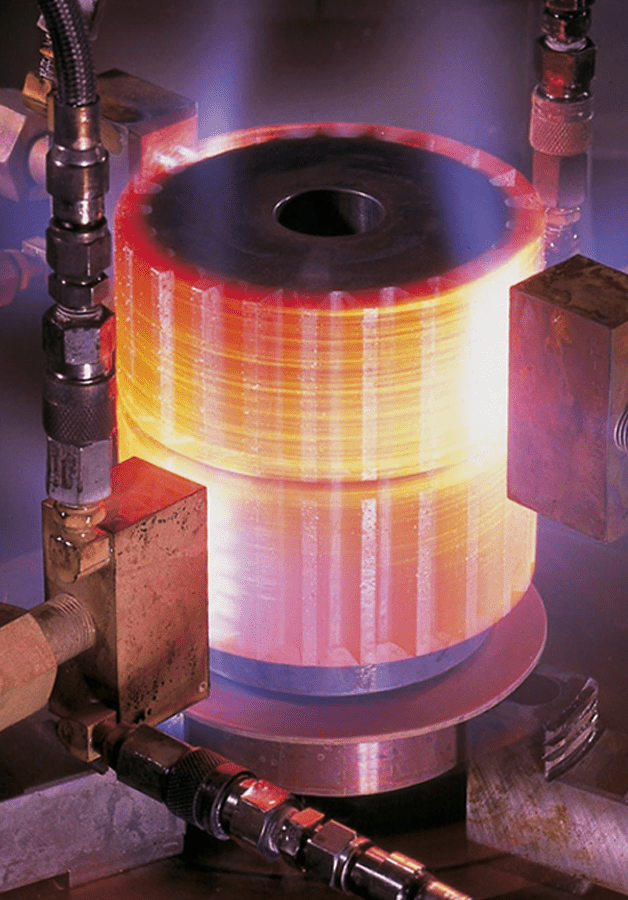
The technology of forming high-strength corrosion-resistant coatings on aluminum and titanium alloys.
Microarc oxidation is a promising method for processing valve group metals. As a result of microplasma discharges, a coating of oxidized base metal elements and electrolyte components is formed. It is possible to obtain ceramic coatings with unique characteristics for a wide range of applications.
- Coating thickness:
up to 400 microns - Breakdown voltage:
6000 V - Melting point:
12 GPa - Heat resistance:
2500 °C - The emission coefficient:
0.91 Eu - Corrosion resistance:
1/10 points - Wear resistance at the level of hard metals
- Decorative properties
- Adjustable porosity: from 2% to 50%
- 5-fold increase in corrosion resistance in aggressive environments
- 4-fold increase in microhardness
- Increased wear resistance at the level of hard metals
- An increase in adhesive strength is an increase in the service life of the product coating without peeling compared to electroplating
X-ray radiation
Electromagnetic radiation
Laser radiation
Infrared radiation
Radio wave effects
Low density/high density depending on the operating conditions
High physical and mechanical characteristics
Thermal protection
Corrosion resistance
Biocompatibility
CVD coatings - creation of ultra-thin dense tungsten films 50-500 nm
Hybrid coatings - (tungsten hexacarbonyl + polymer matrix)
Nanostructured coatings based on tungsten films
Manufacture of EMP protection equipment
Creation of flexible biocompatible and functional devices
Medicine
Nuclear industry
Electronics, microelectronics
Petrochemical, chemical industry
Aerospace industry
- Manufactured materials are checked for all declared parameters for
compliance with the requirements of the technical specifications for materials.
- A quality certificate is formed for each batch of material, the documentation is transmitted
to the customer along with the materials.
- Research is carried out in an accredited laboratory.
- The company is responsible for the quality and quantity of the supplied materials.
- The warranty period of the materials is regulated by the technical specifications for the
manufactured products.
- To solve operational tasks, the company's employees provide transaction support,
operational solution of logistical issues, technical support of issues.
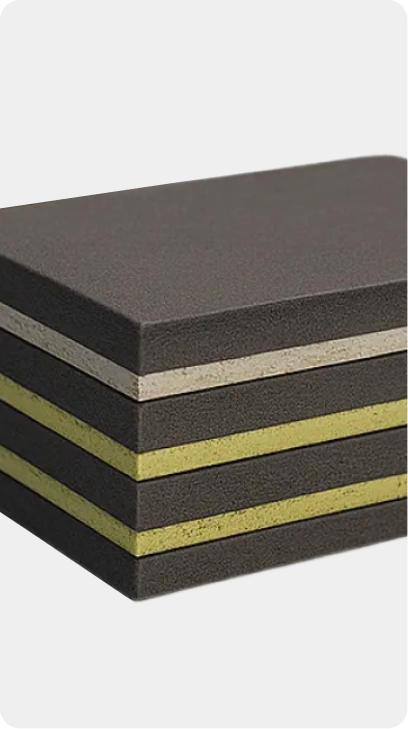
- Protection from electromagnetic radiation
- Protection from X-ray and laser radiation
- Thermal protection


Warranty Obligations
- The manufactured materials undergo control for all declared parameters to comply with the technical specifications.
- A quality certificate is issued for each batch of material, and the documentation is provided to the customer along with the materials.
- Research is conducted in an accredited laboratory.
- The company is responsible for the quality and quantity of the supplied materials.
- The warranty period of the materials is regulated by the technical specifications for the manufactured products.
- To address operational issues, the company's employees provide transaction support, prompt resolution of logistics issues, and technical support.














activity
Over the years of our company's existence, has published more than 40 scientific articles in peer-reviewed scientific journals both in Russia and abroad such as:
protect against: